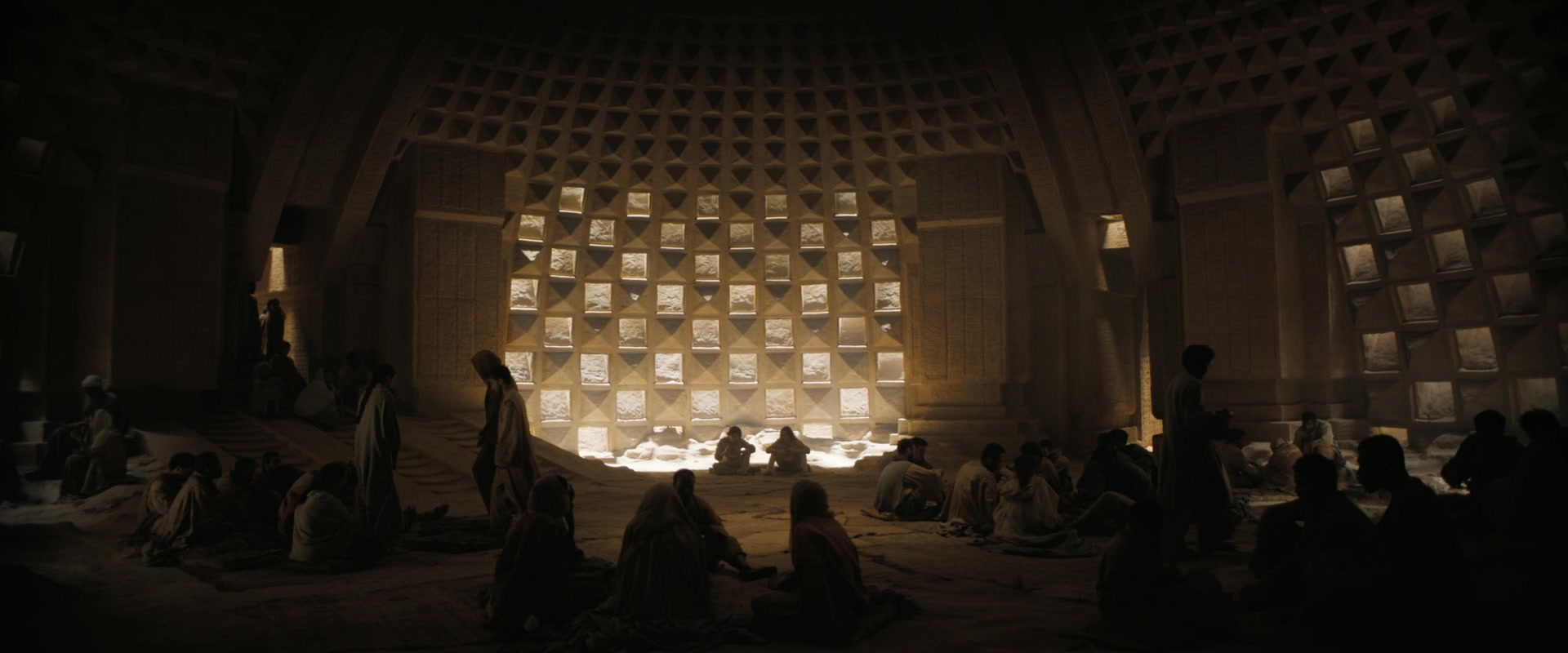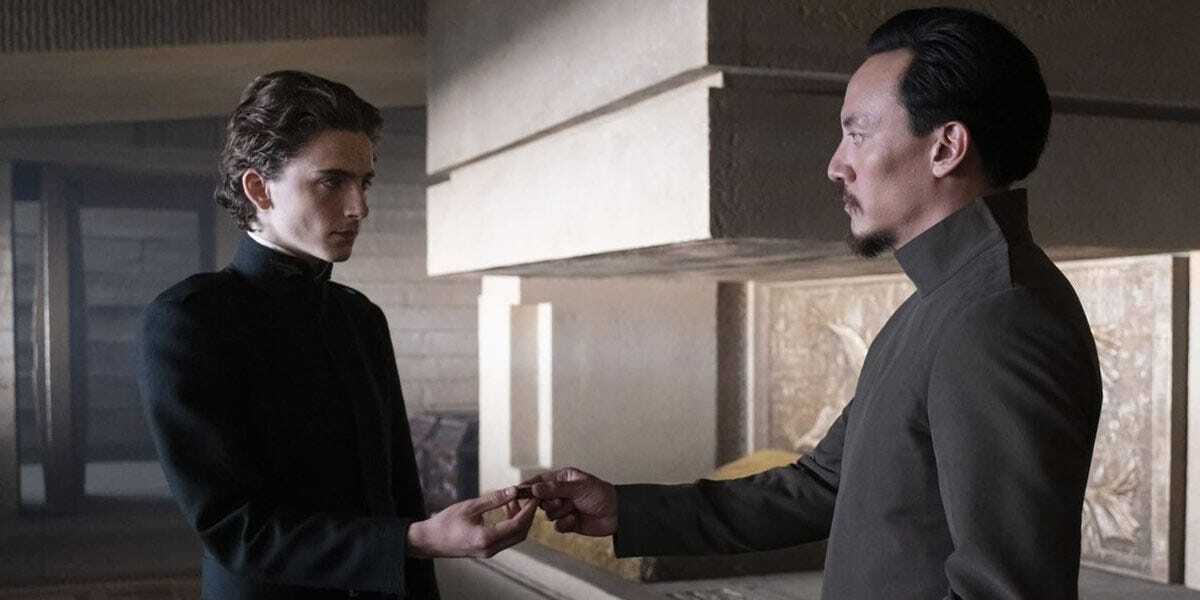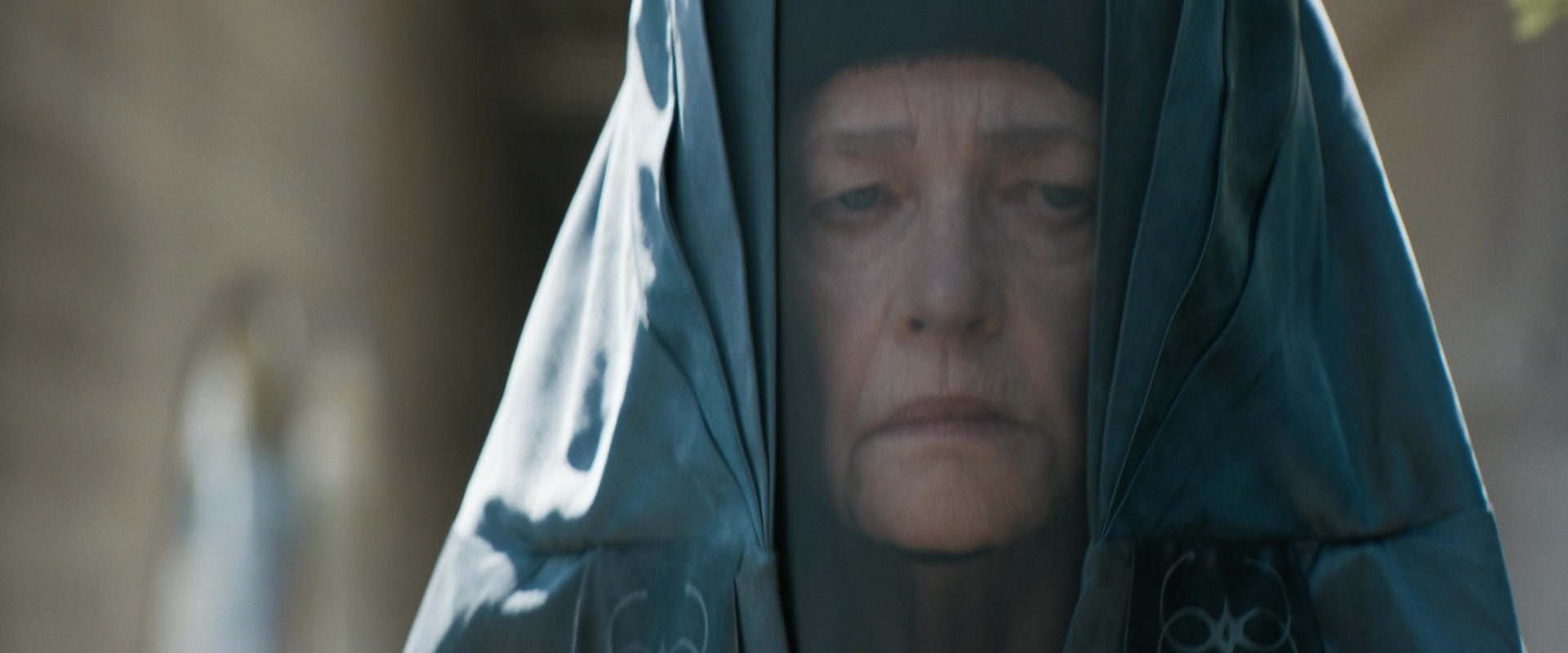
"We're Bene Gesserit. We don't hope. We plan." - a mic drop moment from Gaius Helen Mohaim in Denis Villeneuve's Dune: Part Two and truly the most succinct way to explain how the Sisterhood operates.
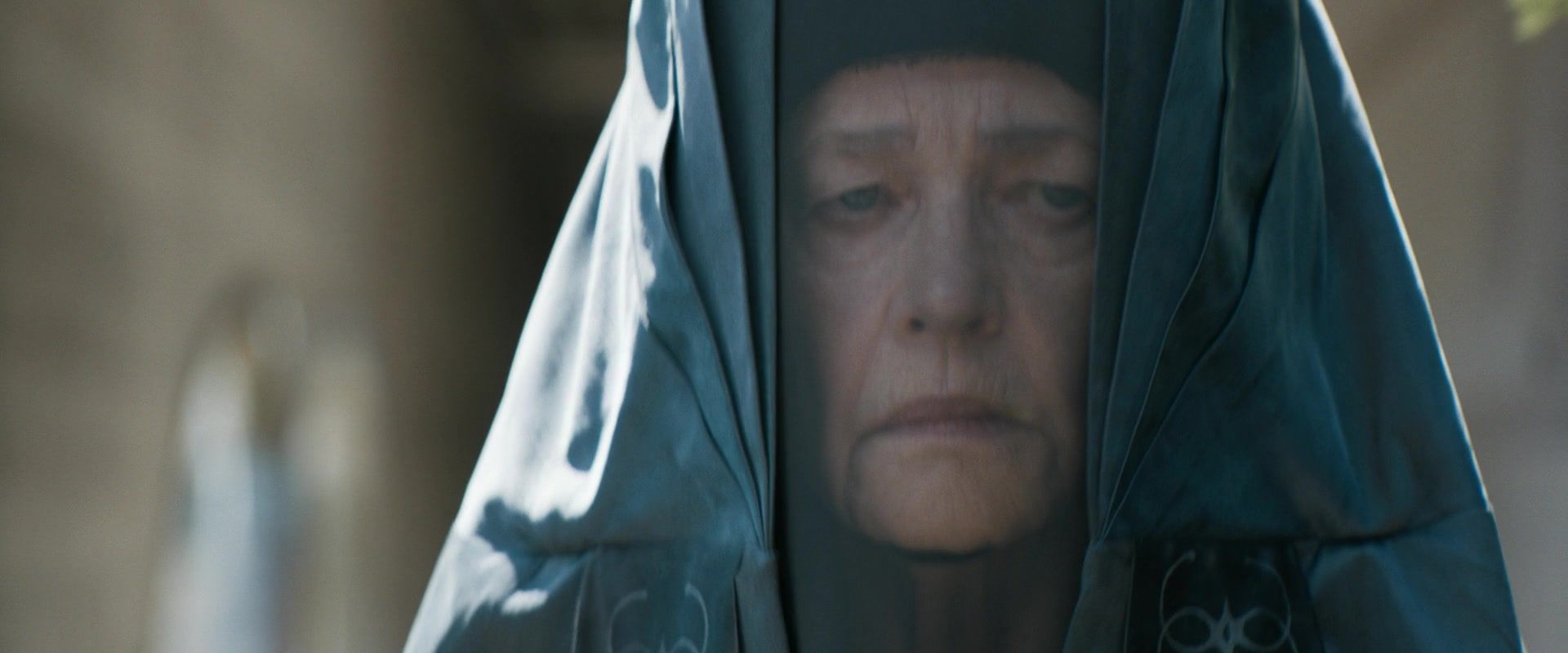
We talked a lot about their methods and morality earlier in the year, reading through all the quotes from the Bene Gesserit Coda, and to quote Alia in Children of Dune they "have always been short on faith and long on pragmatism."
Right or wrong have no real meaning, the only lens through which the world is viewed is one that puts the interests and plans of the Bene Gesserit above all.
Deceptions, dishonesties—those are empty words when the question is the Sisterhood's survival.
— Miles Teg, Heretics of Dune [1984]
And with the millennia of Other Memory providing a fair bit of perspective, the interests and plans of the Bene Gesserit are beyond individual lifetimes.
So it makes sense that when creating a safety net for themselves, they will go all out and build something that can endure generations.
The Missionaria Protectiva is the ultimate backup plan.
MISSIONARIA PROTECTIVA: the arm of the Bene Gesserit order charged with sowing infectious superstitions on primitive worlds, thus opening those regions to exploitation by the Bene Gesserit.
— Terminology of the Imperium, Dune [1965]
Every world where a Sister might conceivably find herself in trouble had been prepared, seeded with carefully crafted legends that could save her life and elevate her to power when activated.
"The Fremen have learned that you're Bene Gesserit," [Leto] said. "There are legends here about the Bene Gesserit."
The Missionaria Protectiva, Jessica thought. No place escapes them.
— Dune [1965]
The program was established right at the beginning, during the same formative years that saw "the composing of the Litany against Fear and the assembly of the Azhar Book." From day one, the Sisterhood understood that long-term success meant planting seeds they might never see grow.
Jessica thought about the prophecy—the Shari-a and all the panoplia propheticus, a Bene Gesserit of the Missionaria Protectiva dropped here long centuries ago—long dead, no doubt, but her purpose accomplished: the protective legends implanted in these people against the day of a Bene Gesserit's need.
— Dune [1965]
What makes the Missionaria Protectiva so brilliant isn't just its scope - it's the elegant flexibility built into the legends.
Of course, the prophecy left certain latitude as to whether the Mother Goddess would bring the Messiah with her or produce Him on the scene. Still, there was this odd correspondence between prediction and persons.
— Dr. Kynes, Dune [1965]

Since Sisters can control the sex of their offspring through prana-bindu training, any Sister in trouble could work either angle. Arrive with a son? He's the prophesied one you brought from the stars. Arrive alone or with daughters? Build anticipation and then deliver a male child right on schedule. Either way, you've got your validation and your path to influence.
And on top of it all: the mother's role was designed to keep her safely in the background while maintaining control - the prophecy focused on the son, letting the Sister avoid the dangerous spotlight of direct messianic leadership while pulling strings through maternal authority.
The Missionaria Protectiva operated on what they called the "Science of Religion" - a systematic approach to understanding how belief systems function and how they can be engineered for specific purposes.
Their primary toolkit was the Panoplia Propheticus, a vast collection of archetypal narratives, myth-cycles, and religious concepts that could be adapted to any culture.
PANOPLIA PROPHETICUS: term covering the infectious superstitions used by the Bene Gesserit to exploit primitive regions.
SHARI-A: that part of the panoplia propheticus which sets forth the superstitious ritual.
— Terminology of the Imperium, Dune [1965]
But of course the Missionaria Protectiva's work is never really done. Circumstances change, cultures evolve, and so the missionaries continue working in the shadows.
"Yes," The Preacher repeated, "I am the prophet of these times."
Alia, concentrating on him, detected the subtle inflections of Voice. He'd certainly controlled the crowd. Was he Bene Gesserit trained? Was this another ploy of the Missionaria Protectiva? Not Paul at all, but just another part of the endless power game?
— Children of Dune [1976]
Talk about a successful operation - when your enemies automatically assume that you're behind everything.
Why? Because rather than creating entirely new religions from scratch, the Missionaria Protectiva practiced sophisticated grafting. They'd study existing belief systems, identify gaps and psychological pressure points, then slip their prepared legends into those spaces like missing puzzle pieces.
All organized religions face a common problem, a tender spot through which we may enter and shift them to our designs: How do they distinguish hubris from revelation?
— Missionaria Protectiva, the Inner Teachings, Heretics of Dune [1984]
And while the name is about protection, the aim is always power - even if we had to wait until the later books to really experience the inner workings of this "department" of what's basically applied political science.
A major concept guides the Missionaria Protectiva: Purposeful instruction of the masses. This is firmly seated in our belief that the aim of argument should be to change the nature of truth.
— Bene Gesserit Coda, Chapterhouse: Dune [1985]
This is civilizational engineering at its most ambitious.
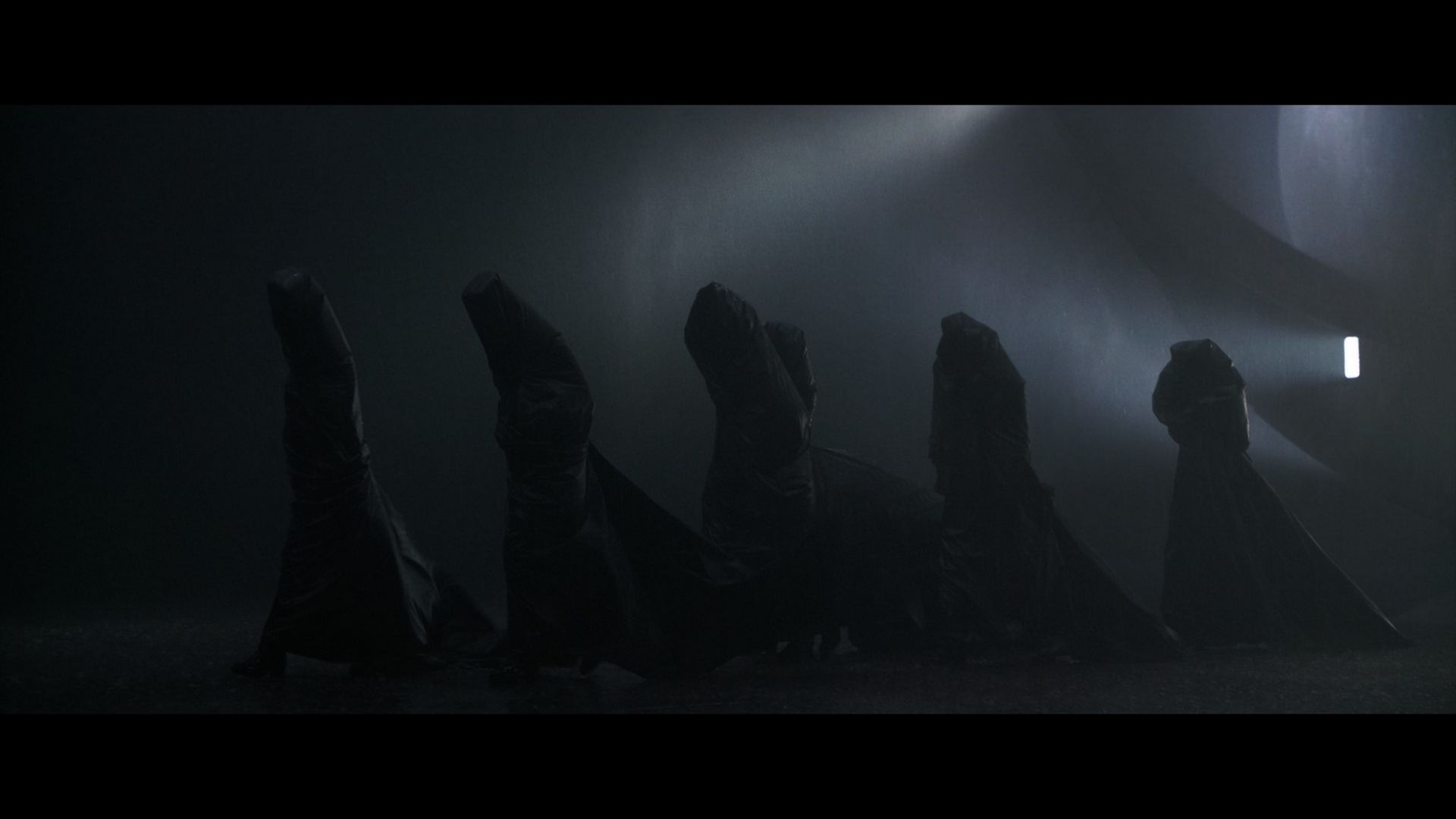
You might be working for the good of the Bene Gesserit, who (I believe) worked for humanity's benefit as a whole, but you kinda need a bit of contempt for humanity and a whole lot of cynicism to work at the Missionaria Protectiva.
These are illusions of popular history which a successful religion must promote: Evil men never prosper; only the brave deserve the fair; honesty is the best policy; actions speak louder than words; virtue always triumphs; a good deed is its own reward; any bad human can be reformed; religious talismans protect one from demon possession; only females understand the ancient mysteries; the rich are doomed to unhappiness...
— The Instruction Manual: Missionaria Protectiva, Heretics of Dune [1984]
They understood that people need predictable moral frameworks to function. They need to believe virtue gets rewarded and evil gets punished, even when experience suggests otherwise.
And they also understood the benefit of using soft power rather than brute force. It's not only more elegant, but also more sustainable, and ultimately more effective.
While the morality of it remained unmentioned, Paul and Jessica knew exactly what they were walking into. Jessica immediately recognized "the imprint" of the Sisterhood and Paul, facing the destruction of House Atreides, made a calculated decision to embrace the manufactured messiah role.
The wisdom of seeding the known universe with a prophecy pattern for the protection of B.G. personnel has long been appreciated, but never have we seen a condition- ut-extremis with more ideal mating of person and preparation.
— "Analysis: The Arrakeen Crisis" by the Princess Irulan (private circulation: B.G. file number AR-81088587), Dune [1965]
The system worked exactly as designed: it provided protection for someone in desperate need, facilitated the rise to power of someone who understood its mechanics, and mobilized an entire population in service of that person's goals.
The Bene Gesserit had spent millennia perfecting the ultimate tool for leveraging religious belief into political power, and Paul proved just how devastatingly effective their creation was.
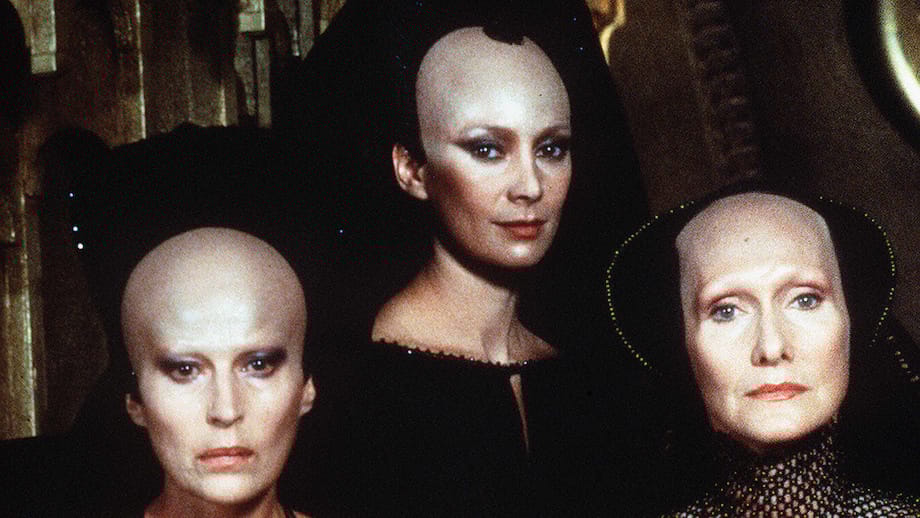
Despite operating in the shadows and showing no sense of morality, I really believe that the Bene Gesserit were working for the greater good of humanity.
We know from Leto II that humanity's greatest long-term threat was internal stagnation.
So understanding the impact of the Missionaria Protectiva when contrasted with the Golden Path suddenly becomes a self-goal of galactic proportions.
Odrade had never before focused on how easily the Missionaria Protectiva's teachings destroyed human independence. That was always the goal, of course: Make them followers, obedient to our needs.
— Heretics of Dune [1984]
While its intention might've been protection of Bene Gesserit staff and subtly enabling power and control, the Missionaria Protectiva bred exactly the psychological profile that might be fatally inflexible when humanity needed radical adaptation and independent thinking to survive.
One more thought.
Knowing Paul's journey from angsty teen to mass-murdering mentat emperor, I'm reminded about the Missionaria Protectiva's axiom about power and corruption.
Power attracts pathological personalities. It is not that power corrupts but that it is magnetic to the corruptible. Such people have a tendency to become drunk on violence, a condition to which they are quickly addicted.
— Missionaria Protectiva, Text QIV (decto), Chapterhouse: Dune [1985]
Herbert wrote this in the last book, but I always wonder whether he thought back to the first one.

.svg.png)
.png)

If you wanna chat, find me on BlueSky.
Even if you're not a supporter (yet), you can get new articles as an email as soon as they're published - full length for free stuff and a preview of the premium content.